Build the Skills Students Need
to Navigate Real Challenges

Skills-based mental health and wellness learning,
facilitated and interactive for Grades 6–12.

Build the Skills Students Need to Navigate Real Challenges

Skills-based mental health and wellness learning, facilitated and interactive for Grades 6–12.

7 Mindsets Wellness – Middle/High School Curriculum (Grades 6-12)

7MWellnessLogo

Why Our Middle and High School
Curriculum Makes a Difference

Tailored for secondary learners, our middle and high school lessons reflect the unique needs of students in Grades 6–12. Content is designed to be relevant and engaging, with relatable examples and visuals, leveled vocabulary, and developmentally appropriate questions that deepen reflection and discussion. The curriculum addresses timely topics that support teen wellness in real situations.

Skills-based Lessons

Builds practical tools students can use to understand emotions, make healthy choices, and navigate real situations.

Guided Reflection and Journaling

In Wellness Interactive (6–12), students connect learning to their own experiences through guided reflection, helping them respond honestly and build self-awareness over time.

Facilitated Guides for Educators

Teacher-ready lessons, activities, and discussion supports help educators lead developmentally appropriate learning that strengthens connection and participation.

How Personalized Pathways Work

How-It-Works---2026

Insights’ Baseline
Survey

Suggested Lessons for
Personalized Pathways

Delivered Through
Digital Platform

Post Survey
& Dashboard

Insights’ Baseline
Survey

Suggested Lessons for
Personalized Pathways

Delivered Through
Digital Platform

Post Survey
& Dashboard

Personalized Pathways for Individual Student Needs (Wellness Interactive 6–12)

Insights measurement tools provide a baseline survey that helps educators identify student needs and guide personalized learning pathways within Wellness Interactive.
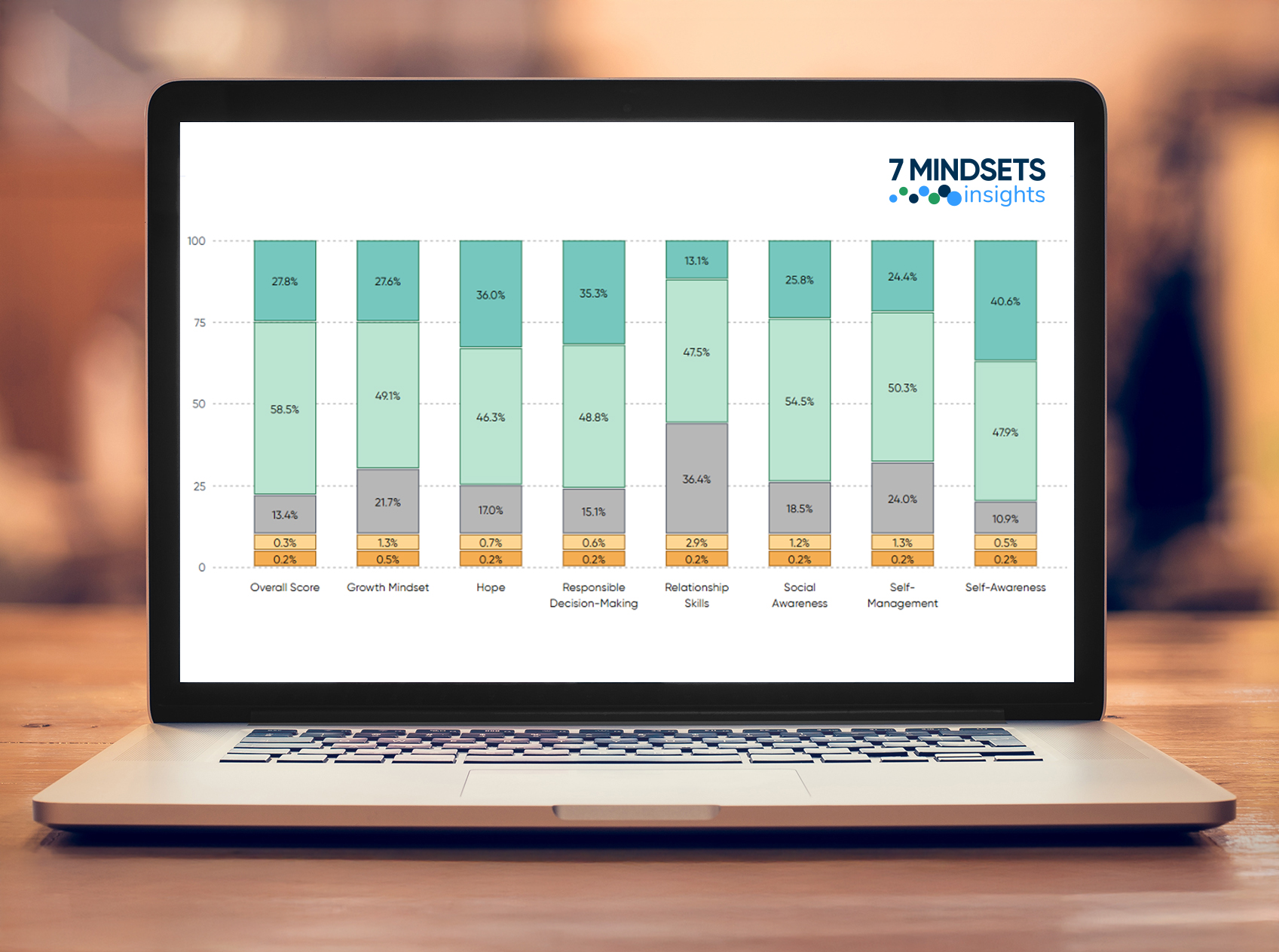
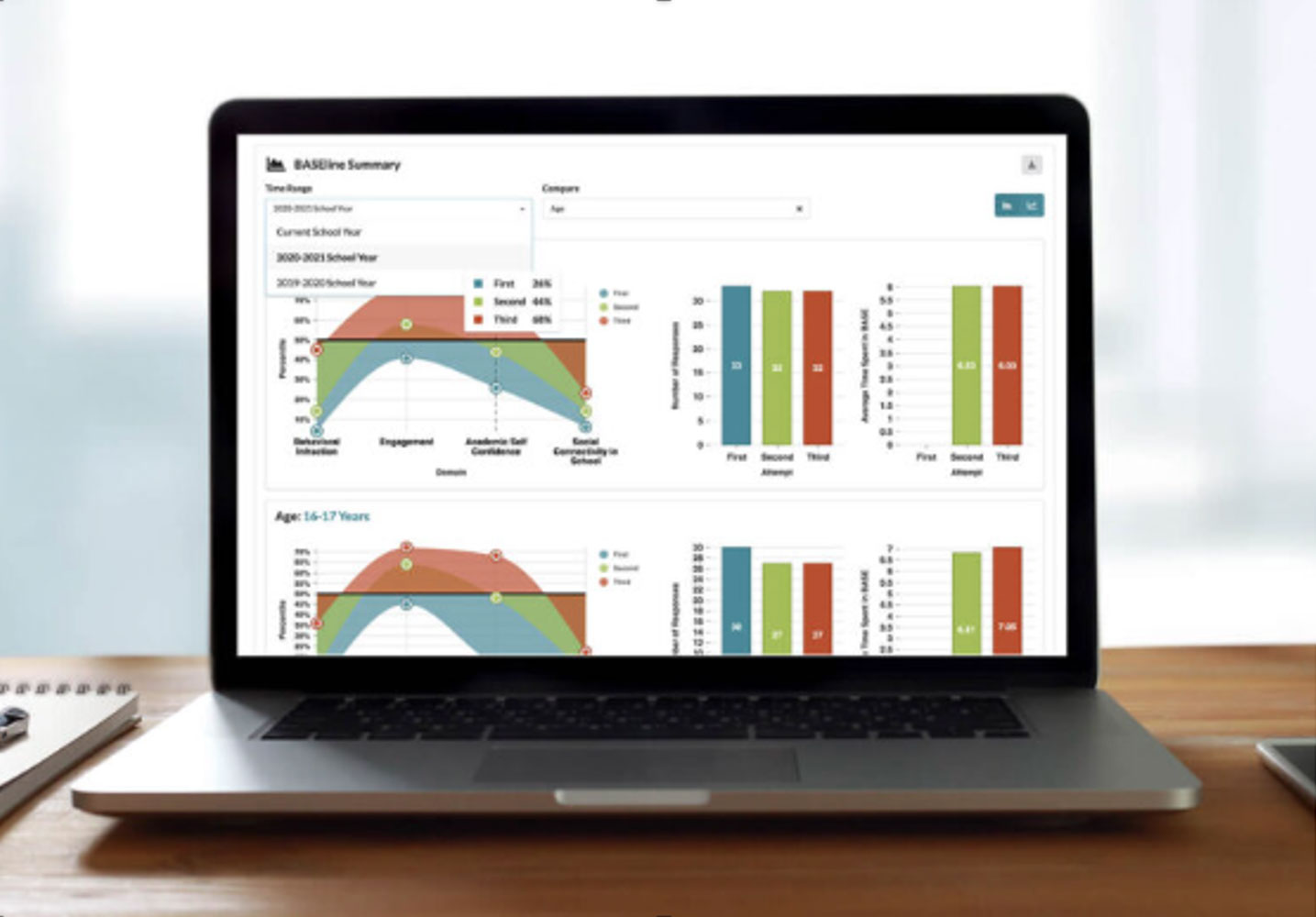
  • Personalized Lesson Pathways – Progress tracking across engagement, behavior, social connectivity, and academic self-confidence.
  • Supports Intervention Documentation – Supports IEPs, SPED evaluations, and intervention planning.
Personalized-Pathways

Explore Our Middle and High School Lessons

Discover an extensive library of 35+ lessons designed for Grades 6–12, covering essential topics that help students build self-awareness, strengthen emotional skills, and navigate real challenges.

  • Vision of Self

    This module defines the concept of self-vision, distinguishing between healthy and unhealthy perspectives. It instructs students on implementing healthy viewpoints and cultivating a positive self-image. Additionally, it explores the development of personal vision and provides tools for growth.

  • Talking to Adults

    This module outlines the importance of healthy communication with adults, emphasizing the ability to express thoughts, feelings, and emotions effectively. It discusses the repercussions of improper communication and empowers students to voice their needs appropriately. Students learn to communicate assertively and navigate interactions with confidence.

  • Suicide Education and Prevention

    This module delves into depression, exploring suicide facts, risk factors, and protective factors. It guides students through effective intervention strategies to support themselves and others in need.

  • Stress Management

    This module guides students in understanding stress: its definition and how it affects their mental, physical, and behavioral aspects. It emphasizes normalizing stress as a natural part of life and prepares them to adapt to its impacts. Students develop personalized plans to effectively cope with and thrive amidst stressful events.

  • Self-Esteem

    This module defines self-esteem, categorizes its types, and delves into strategies for cultivating a robust sense of self-worth. It addresses barriers to success, offers tools for overcoming challenges, and outlines a future-oriented plan for personal development.

  • Primary and Secondary Impacts of Behavior

    Defines impacts of behavior, outlines types, stresses understanding one’s effect on the world, and cautions against negative impacts. Explores barriers to success, offers tools for overcoming challenges, suggests ways to enhance personal impact, and outlines future plans.

  • Motivation

    Defines motivation, explores its types, addresses barriers to success, and furnishes tools for overcoming challenges. Discusses methods to enhance motivation, emphasizes its significance, and outlines a future plan.

  • Mindfulness

    Mindfulness teaches students to be present, impacting emotions and perspective positively. It equips them with tools for staying calm and focused.

  • Life Changes and Adjustments

    “Life Changes and Adjustments” supports students in navigating life’s transitions, big or small. By normalizing change, it promotes personalized adaptability and coping strategies. Its flexibility allows for repeated use, offering quick validation and skill reinforcement.

  • Learning How to Say “No Thanks”

    This module empowers students to confidently decline uncomfortable or risky situations. It also aids in understanding personal boundaries and preferences, facilitating self-discovery.

  • Learned Helplessness

    Defines learned helplessness, uncovers its origins, and illustrates how overcoming it leads to empowerment. Explores success barriers, offering tools to overcome challenges.

  • Irrational Thinking

    This module defines irrational thinking and its harmful effects, especially prevalent among teenagers. It offers strategies to overcome negative thought patterns, addresses barriers to success, and provides tools for navigating challenges effectively.

  • Impulsive Decision-Making

    Explores impulsivity, its risks, and teenage inclinations. Introduces alternative behaviors, addresses barriers to success, offers tools for overcoming challenges, teaches healthy substitutes, and outlines a future plan.

  • Healthy Relationships

    This module centers on assessing and fostering wholesome peer relationships.

  • Healthy Communication

    This module defines healthy communication, stressing its significance and covering verbal, non-verbal, body language, and tone. It addresses barriers, offers tools for overcoming challenges, discusses effective approaches, and outlines a plan for the future.

  • Getting to Know You

    This module fosters early understanding of students, whether at term start or a new connection. It explores their thoughts, abilities, and interests, boosting engagement and well-being. It also assists administrators in gathering IEP data directly from students, meeting Department of Education requirements.

  • Digital Citizenship

    This module promotes safe technology use and outlines appropriate digital behavior. It covers cell phone usage, texting, social media etiquette, and all aspects of cyber conduct, promoting responsible online interactions.

  • Coping Strategies

    This module highlights coping strategies, underscores their importance, and provides practical examples. It helps students recognize their unique skills, explores obstacles to success, and equips them with tools to overcome challenges. It guides on effective implementation and explores strategies for future goals.

  • Character Traits

    Discover essential character traits like empathy, honesty, integrity, accountability, and respect. Understand their significance, how to overcome obstacles, and cultivate these traits for personal growth. Equip yourself with tools to navigate challenges and envision a future guided by strong character and values.

  • Bullying and Cyberbullying

    Aimed at safeguarding individuals and fostering a supportive environment, this module empowers students to combat bullying and cyberbullying. It equips them with the tools to protect themselves and others while guiding them towards a path of mental and emotional well-being.

  • Avoiding Exploitation

    Understand exploitation, prioritize safety, and navigate potential pitfalls in relationships. Learn to recognize the disguises of harmful individuals and distinguish healthy traits in safe ones. Release self-blame, empower growth, and overcome barriers with practical tools for success.

  • Anger Management

    Gain a comprehensive understanding of anger management, emphasizing its significance in maintaining healthy relationships and well-being. Explore various forms of anger, including passive, passive-aggressive, assertive, and aggressive behaviors. Identify barriers to successful anger management and acquire practical tools to overcome challenges. Learn to implement healthier coping strategies and develop a personalized plan for the future, fostering positive change and growth.

  • All or Nothing Thinking

    Unpack the concept of extreme thinking patterns, illuminating their pitfalls and common tendencies. Delve into healthier alternatives to dysfunctional habits, mitigating the impact of limited thinking. Explore barriers to success and equip with practical tools to surmount challenges, fostering a more balanced and adaptable mindset.

  • Adrenaline

    Understand the dynamics of adrenaline, discerning between its “fight or flight” responses. Dive into teenage thrill-seeking behaviors and examine adrenaline’s physiological effects. Identify healthier alternatives and address barriers to success. Equip with strategies to overcome challenges, fostering resilience. Foster a plan for the future grounded in balanced decision-making.